
Budgets & Costs
How to budget for a wedding: breakdowns and examples
Three real budgets at three price points, with the line items couples consistently underestimate.
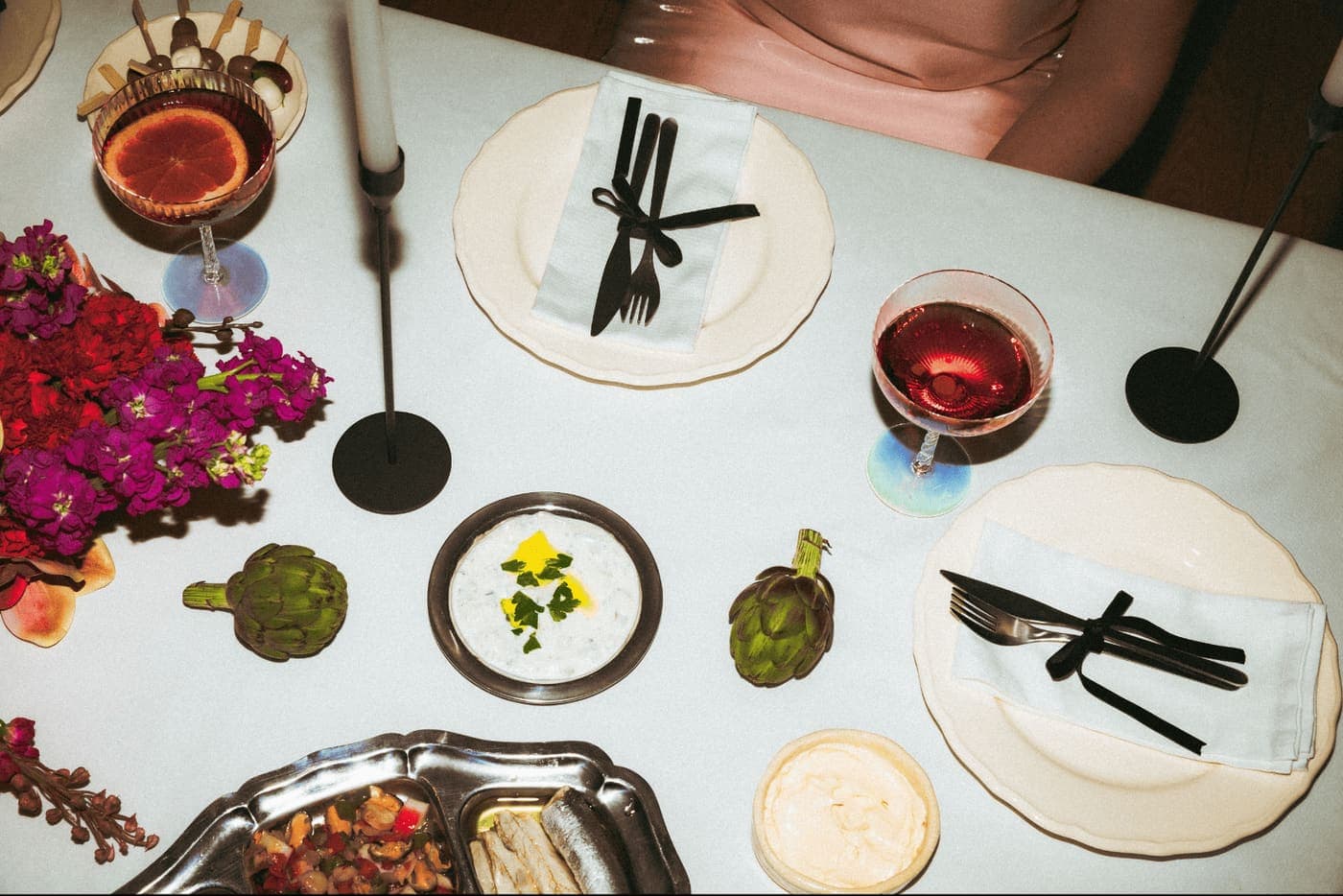
Almost every wedding budget problem traces back to the same mistake: picking the flowers, the venue, and the dress before anyone agreed on the number they all have to fit inside. A budget isn’t the boring part you do after the fun decisions. It’s the decision that quietly sets every other one. Get it down first, and the rest of planning becomes a series of easy yes/no calls instead of a running argument with your bank account.
This guide walks through how to set a realistic total, how that total typically splits across categories, three worked examples at different price points, the biggest levers that move your number up or down, a note on how location changes everything, the line items couples underestimate most, and a handful of straight answers to the questions we hear over and over.
Start with a number, not a mood board
Before you look at a single venue, get three numbers on the table: what you can contribute, what family is contributing (ask directly; assumptions here are expensive), and what you’re willing to finance, if anything. Add them up. That sum, minus a 10% contingency you don’t touch, is your real budget. Everything else in this article is about dividing that number well.
Write the number down somewhere both partners can see it: a shared note, a spreadsheet, whatever sticks. Couples who keep the total visible throughout planning tend to stay closer to it than couples who only check in when a bill arrives. It’s much easier to say “that’s $600 over what we have left for décor” than it is to feel vaguely uneasy about spending without a reference point.
How the total usually splits
There’s no law here, but most weddings land near the same proportions: venue and food together eat more than half the budget, and everything else competes for what’s left. Use these as a starting allocation, then move money toward whatever matters most to you and away from whatever doesn’t.
- Venue & rentals: ~28%. The anchor cost, and the one that dictates your guest count.
- Catering & bar: ~25%. Usually priced per head, so guest count is your most powerful budget lever.
- Photography & video: ~12%. The thing you keep after everything else is packed away.
- Flowers & décor: ~9%. Enormously scalable up or down without changing the day much.
- Music & entertainment: ~7%. DJ vs. band is the big fork here.
- Attire, beauty, planner, stationery, cake, and the rest: the remaining ~19%.
For a category-by-category look at where the money actually goes, see wedding costs, broken down by category.
Three real budgets, side by side
Here’s the same allocation applied to three totals: an intimate wedding, a classic mid-size celebration, and a grand event. Same percentages, very different line items.
| Category | Intimate | Classic | Grand |
|---|---|---|---|
| Venue & rentals | $4,200 | $9,800 | $18,200 |
| Catering & bar | $3,750 | $8,750 | $16,250 |
| Photography & video | $1,800 | $4,200 | $7,800 |
| Flowers & décor | $1,350 | $3,150 | $5,850 |
| Music & entertainment | $1,050 | $2,450 | $4,550 |
| Attire & beauty | $900 | $2,100 | $3,900 |
| Planner / coordinator | $750 | $1,750 | $3,250 |
| Stationery & signage | $375 | $875 | $1,625 |
| Cake & desserts | $300 | $700 | $1,300 |
| Transportation & misc. | $450 | $1,050 | $1,950 |
| Contingency | $75 | $175 | $325 |
| Total | $15,000 | $35,000 | $65,000 |
Notice what doesn’t change much: photography and catering quality scale far more slowly than the dollar figures. A $1,800 photographer and a $7,800 photographer both hand you a gallery. The difference is coverage hours, a second shooter, and an album, not whether the photos are good. That’s worth remembering when you decide where to spend. See the average cost of a wedding photographer and the average wedding venue cost for how each of those two big line items is really priced.
The biggest levers on your total
If your number and your allocation don’t match reality yet, you don’t need to trim everything a little; you need to pull one or two big levers hard. A handful of decisions move more money than dozens of small trade-offs combined.
- Guest count. Every additional guest adds a plate, a chair, a favor, an invitation, and often a few square feet of rented space. Cutting a 150-person list to 100 typically saves more than any other single change you can make.
- Day and season. Saturdays in peak season (roughly late spring through early fall in most regions) command the highest prices across venues and vendors. A Friday, a Sunday, or an off-peak month can shift pricing meaningfully without changing much else about the day.
- Venue type. An all-inclusive venue bundles catering, rentals, and sometimes staffing into one price, which simplifies budgeting even if the headline number looks higher. A blank-slate venue is often cheaper to book but requires renting everything separately, and those separate invoices add up faster than couples expect.
- Bar style. A full open bar for the whole event is the most expensive option by a wide margin. Beer, wine, and a signature cocktail (or a limited-hours bar) deliver most of the experience at a fraction of the cost.
Pulling one of these levers is almost always more effective, and less stressful, than negotiating every vendor down by a few hundred dollars. For a full sequence of decisions in order, see the complete step-by-step wedding planning guide.
A note on location
Every figure in this article is a national-style illustration, and real pricing varies a lot by region, sometimes by 30% or more for the exact same venue capacity and guest count. Metro areas and destination markets generally run higher; smaller cities and college towns generally run lower. The percentages each category takes up tend to hold steady even when the total shifts, which is why the split above is more durable than any specific dollar figure.
If you’re planning in North Carolina, local pricing tends to land below national destination markets while still offering a full range of experienced vendors. See budget-friendly planning in North Carolina and why local vendors are worth booking for what that looks like in practice.
The line items couples underestimate
These are the costs that aren’t on the first version of anyone’s budget, and are on every final one:
- Tax and gratuity. On catering and bar, this can add 25–30% to the quoted price. Always ask whether a quote is all-in.
- Service and setup fees. Delivery, breakdown, cake-cutting, corkage: small individually, meaningful together.
- Alterations. A dress or suit rarely fits off the rack; budget several hundred dollars, and remember that hair and makeup trials are a separate line item from the wedding-day service. See wedding hair and makeup costs explained for what that usually includes.
- Overtime. The reception that runs an extra hour bills the venue, the photographer, and the band.
- Postage and printing. Heavy or square invitations cost more to mail, and you’ll reprint something.
- Officiant fees. Easy to forget because it’s not a “vendor” in the traditional sense, but it’s a real line item. See how much wedding officiants cost.
- The day-of everything. Marriage license, vendor meals, tips, an emergency kit, a hotel block.
This is exactly what your contingency is for. If you don’t spend it, it becomes your honeymoon fund.
Where to save without anyone noticing
- Trim the guest list. The most powerful lever there is. Every head carries catering, bar, rentals, and stationery.
- Marry off-peak. A Friday, a Sunday, or a November date can cut venue pricing meaningfully.
- Book local. Regional vendors mean no travel fees and real knowledge of your market. See budget-friendly planning in North Carolina.
- Bundle where it makes sense. A planner, photographer, or venue that offers a package rate for multiple services can beat booking each piece separately. Worth asking about even if it isn’t advertised.
- Spend on what your guests experience (food, drinks, music, comfort) and save on what they forget (favors, elaborate stationery, a towering cake no one finishes).
Quick answers to common budgeting questions
How much should we set aside before booking anything? Your full total, split into rough category allocations, before you tour a single venue. Booking in order (venue first, then the vendors whose availability depends on that date) is how the allocation stays intact.
Is 10% really enough for a contingency? It’s a reasonable floor for most weddings. If you’re booking a lot of rental-dependent items (an outdoor venue with no backup plan, for example) or planning far in advance in a market with rising prices, consider pushing it toward 15%.
What if family contributions are still uncertain? Build your budget around only the money that’s confirmed. Treat anything uncertain as a bonus that raises the ceiling later, not a number you plan against now.
Should we get quotes before finalizing the budget? Yes. A few real quotes in your area, for your guest count, will tell you fast whether your allocation is realistic or needs adjusting before you’re emotionally attached to a specific vendor.
Turn the budget into bookings
Once you have your number and your allocation, the work is finding vendors who fit both: available on your date, in your area, and inside your range. That’s the part Our Day does for you: tell us the budget you just built, and we bring back up to six vetted vendors per category who are actually available and in range, with Our Day-exclusive pricing negotiated on your behalf.
Start with the wedding vendor checklist to see who you still need, browse wedding vendors in your state, or tell us about your day and let the quotes come to you.