
Budgets & Costs
Wedding hair and makeup costs, explained
Trials, on-location fees, and per-person pricing: what beauty really costs on the day.
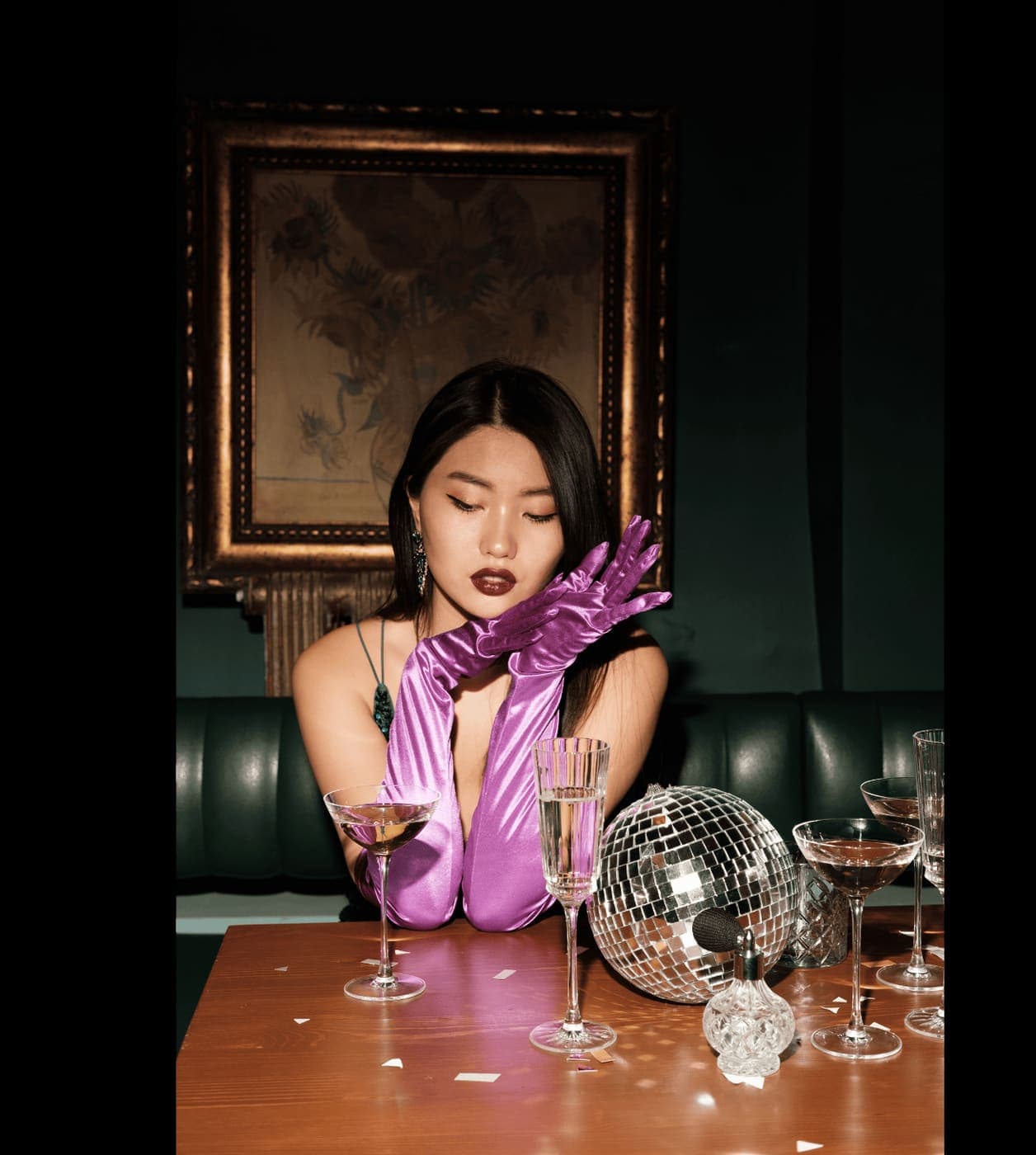
Wedding beauty is one of the most under-budgeted line items on the whole planning list, mostly because it’s priced per person and stacked with add-ons that aren’t obvious until the contract lands in your inbox. A quoted “bridal rate” almost never reflects what you’ll actually pay once the trial, the wedding party, and a few logistics fees are added in. Here’s how hair and makeup pricing actually works, piece by piece, so the final invoice doesn’t surprise you.
What things typically cost
Most artists price in layers: a day-of rate for you, a separate trial fee, a per-person rate for anyone else you’re covering, and a handful of situational add-ons. Here’s the typical shape of each layer.
| Service | Typical price |
|---|---|
| Bridal hair & makeup (day-of) | $200–$450 |
| Bridal trial | $100–$250 |
| Per bridal-party member (each) | $90–$175 |
| Flower girl / junior member | $45–$85 |
| Airbrush makeup upgrade | $25–$75 |
| On-location / travel fee | $50–$200+ |
| Early-start fee (pre-8am calls) | $50–$150 |
| Touch-up / stay-through-photos (per hour) | $50–$100 |
Why the trial isn't optional
The trial is a full run-through of your hair and makeup, usually booked four to eight weeks before the wedding, and it’s priced separately from the day-of service, not a freebie bundled into the package. Treat it as a working session, not a formality: bring inspiration photos, the actual veil or hair accessory you’ll wear, and a few hours of buffer, because getting it right often takes more than one attempt at a detail or two.
Skipping the trial to save $150 is one of the more expensive shortcuts in wedding planning. If the look doesn’t translate the way you pictured it, you find that out on the morning of the wedding instead of weeks ahead, with no time to adjust.
Pricing per person: who's covered by the bridal-party rate
The per-person rate on the cost table applies to anyone getting professional hair and / or makeup beyond you: bridesmaids, mothers, grandmothers, and anyone else in the getting- ready room. Most artists set a minimum headcount to book the date at all (commonly four to six services), since a single artist can typically only serve four to six people in a morning before the ceremony. If your party is smaller than the minimum, expect to pay up to that minimum anyway, or to add a second artist.
- Hair only vs. hair & makeup. Most price lists split these into two services, so a party member getting only hair pays less than one getting the full service.
- Group discounts are common but rarely advertised. Ask directly once you know your final headcount.
- False lashes are sometimes bundled into the makeup rate and sometimes a $10–$20 add-on; confirm before you compare quotes across artists.
Travel, early starts, and other add-on fees
These fees rarely show up on a headline price list, but they show up on the invoice, so it’s worth asking about each one before you book:
- Travel fee. Covers mileage and time for the artist (and often an assistant) to come to your venue or getting- ready location. Usually a flat fee inside a set radius, then per-mile beyond it.
- Early-start fee. Large parties with an early ceremony often mean a pre-dawn call time. Artists commonly charge extra for start times before 7–8am to cover the lost sleep and earlier arrival.
- Multiple-location fee. If the wedding party is split across two getting-ready spaces, expect a fee for the second stop, or a second artist entirely.
- Assistant fees. Larger parties often need a second stylist to finish on time, priced either as a flat add-on or built into the per-person rate.
Touch-ups, and airbrush vs. traditional makeup
Two decisions move the price more than most couples expect: how long the artist stays, and which makeup technique you choose.
Touch-ups. A basic touch-up kit (blotting papers, lipstick, a travel-size setting spray) is often included at no extra cost. Keeping the artist on-site through the ceremony and into photos (for a last check before you walk down the aisle and a quick refresh after) is a separate, usually hourly, charge. It’s a small line item that buys real peace of mind on a day with no re-dos.
Airbrush vs. traditional. Airbrush makeup is applied with a fine spray rather than brushes and sponges, and it typically costs more, but it also tends to last longer, photograph more evenly under flash, and hold up better through heat, tears, and a long reception. Traditional makeup is usually less expensive and gives an artist more control over a heavier, more dramatic look if that’s what you want. Neither is objectively better; it’s a trade-off between budget, coverage, and how many hours the makeup needs to survive.
Deciding who you're paying for
The single biggest variable in this whole budget line isn’t any individual fee. It’s whether you cover hair and makeup for the wedding party or ask each person to book and pay for their own. Covering everyone is a generous gesture that also guarantees a consistent, coordinated look across every photo. Asking each person to pay their own way keeps your budget smaller but adds coordination work, since you’ll need everyone booked with the same artist (or artists working from the same reference) to avoid a mismatched look.
When to book, and when to pay
Good hair and makeup artists book out early, especially for popular Saturdays in peak season. A reasonable timeline:
- 9–12 months out: research artists, check portfolios for work on hair and skin tones similar to yours, and book the date with a deposit.
- 4–8 weeks out: schedule and attend the trial, and lock the final headcount for the bridal party.
- 1–2 weeks out: confirm the timeline, start time, and location with the artist, and pay any remaining deposit.
- Day-of: pay the final balance, plus a tip: 15–20% is a common estimate, paid in cash directly to each artist if there’s more than one.
Quick answers to common questions
Does the trial count toward the day-of price? Almost never. It’s billed as its own service, separate from the wedding-day rate, even though it’s with the same artist.
Do I have to pay for my whole wedding party? No. Plenty of couples cover only themselves and let attendants book and pay individually. What matters is deciding (and communicating) which model you’re using before anyone assumes the other one.
Is airbrush worth the upgrade? If you’re expecting heat, humidity, tears, or a long reception under bright lights, it usually earns its cost back in how the makeup holds up in photos. For a shorter, indoor, climate-controlled day, traditional makeup is often plenty.
What if my venue is far from the artist? Ask for the travel fee in writing before booking, or look for an artist closer to your venue. Local pros usually charge less to travel and know the light and setup of nearby venues already.
Bringing beauty into your overall budget
Hair and makeup usually fall under the broader attire & beauty category. See the full category breakdown and how to budget for a wedding for where it fits against everything else. Book early, don’t skip the trial, and check the vendor checklist for when each beauty milestone should land on your timeline.
Looking for beauty pros who are actually available on your date, at Our Day-exclusive rates? Tell Our Day about your day and we’ll bring back vetted artists who fit your budget and your headcount.